Social Responsibility & Sustainability | Murphy International
Murphy International integrates social responsibility into every aspect of its business, recognizing that energy development carries both opportunity and obligation. Our work is guided by a commitment to environmental stewardship, sustainable practices, and meaningful community engagement.
We believe that long-term success in energy development requires more than technical execution—it requires accountability, responsible resource management, and a focus on the broader impact of our projects. Through our initiatives in stewardship, sustainability, and corporate philanthropy, we strive to support both present needs and future generations.
Responsible Energy Development
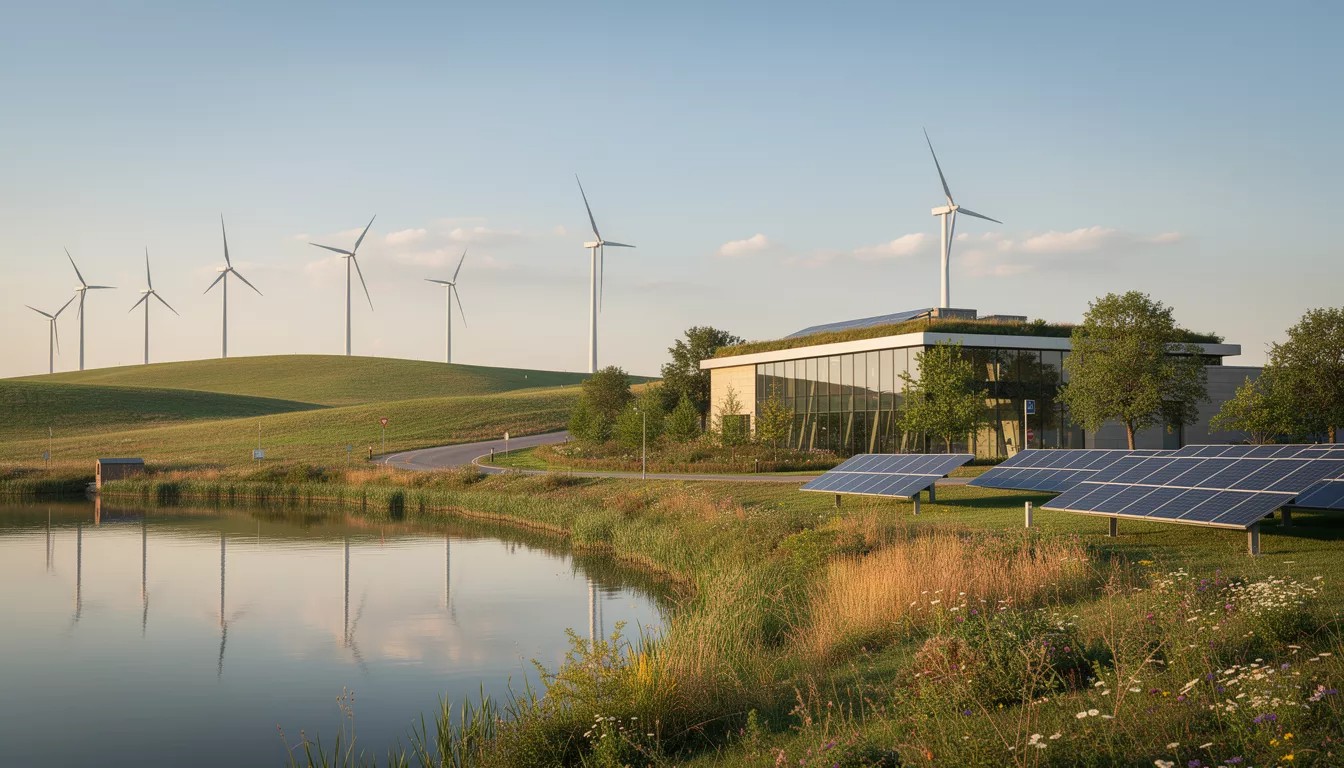
Murphy International develops energy infrastructure with a focus on minimizing environmental impact while delivering reliable and efficient power solutions. Our approach emphasizes careful planning, responsible site development, and the integration of technologies that support cleaner energy production.
We prioritize:
- Reduction of environmental impact
- Efficient use of natural resources
- Integration of renewable energy systems
- Long-term operational sustainability
These principles guide our project development process from initial planning through ongoing operations.
Environmental Stewardship
Environmental stewardship is a core component of Murphy International’s mission. We are committed to protecting natural resources and ensuring that our projects are developed and operated responsibly.
Our stewardship efforts include:
- Supporting renewable energy development
- Promoting responsible land and resource use
- Implementing environmentally sound engineering practices
- Reducing emissions and environmental footprint
We work with environmental partners and regulatory agencies to ensure that our projects meet or exceed applicable standards.
Commitment to Sustainability
Murphy International views sustainability as an essential part of long-term business strategy. Our focus is on delivering energy solutions that are not only effective today, but adaptable to future needs.
Our sustainability approach includes:
- Development of renewable and hybrid energy systems
- Support for energy efficiency and conservation
- Integration of sustainable technologies
- Long-term lifecycle planning and performance optimization
By aligning sustainability with project execution, we ensure that our work contributes to a more resilient energy future.
Corporate Philanthropy & Community Engagement
Murphy International is committed to supporting the communities in which we operate. Through corporate philanthropy and volunteer efforts, we contribute to initiatives that promote education, environmental awareness, and community development.
Our efforts include:
- Supporting clean water and renewable energy initiatives
- Contributing to educational programs and institutions
- Participating in environmental and sustainability projects
- Engaging with local communities and organizations
We believe that strong communities are essential to sustainable development, and we actively seek opportunities to contribute in meaningful ways.economies.
A Long-Term Perspective
Murphy International’s approach to social responsibility is grounded in a long-term perspective. We recognize that the decisions made today will have lasting impacts on the environment, communities, and energy systems of the future.
By combining technical expertise with responsible practices, we aim to deliver energy solutions that balance performance, sustainability, and accountability.
Explore Our Commitment
Murphy International’s social responsibility initiatives are reflected across the following areas:
- Stewardship
- Sustainability
- Corporate Philanthropy
Social Responsibility
Murphy International Development is an experienced energy services firm specializing in the development, management, financing, and support of renewable and conventional power generation projects. For more than 45 years, the company has supported independent power producers, developers, owners, and project partners by helping deliver technically sound, financially structured, and operationally reliable energy solutions across global markets.
Sustainability, stewardship, and responsible development are central to how Murphy International Development approaches its work. The company is committed to integrating social and environmental responsibility into its operations, client services, project planning, and long-term partnerships. By combining ethical governance, technical excellence, and practical experience, Murphy International Development helps create long-term value for clients, communities, stakeholders, and future generations.
Murphy International Development recognizes its responsibilities to the professions it serves, to public health and safety, to environmental protection, and to the communities where projects are developed. The company works closely with clients to support solutions that promote reliability, resilience, sustainability, and responsible resource use. This includes helping clients minimize environmental impact, improve energy performance, support cleaner infrastructure, and develop projects that align with broader sustainability goals.
Through decades of work in energy, water, transportation, environmental systems, and renewable power development, Murphy International Development has built lasting relationships with clients, engineering firms, manufacturers, developers, owners, investors, and energy professionals. The company’s success is rooted in practical experience, disciplined execution, collaborative partnerships, and a commitment to delivering solutions that are reliable, efficient, safe, and responsible.
Murphy International Development understands that clients must balance community expectations, economic conditions, regulatory requirements, environmental goals, and long-term operational demands. The company supports these needs by helping clients evaluate opportunities, structure projects, manage technical requirements, and pursue solutions that are financially practical and environmentally responsible.
Areas of Social and Environmental Impact
Murphy International Development’s experience includes a wide range of projects and initiatives that support responsible energy development, environmental performance, and long-term sustainability.
Environmental Credit Programs
Murphy International Development has experience supporting energy and environmental credit projects and programs, including renewable energy credits, production tax credits, carbon offsets, and international environmental credit structures. These programs can help companies reduce emissions, support renewable energy adoption, align with climate regulations, and create measurable environmental and financial value.
Environmental credit programs are important because they support decarbonization, encourage investment in clean technologies, and help organizations take meaningful climate action beyond their direct operations. They also provide tools for companies, communities, and institutions to align with broader sustainability objectives while supporting responsible economic growth.
Stillwater Geothermal Innovations
Murphy International Development has supported innovative geothermal project development, including work associated with the Stillwater geothermal facility. Stillwater incorporated advanced approaches to geothermal gathering systems and hybrid renewable energy integration, including underground insulated piping concepts and solar thermal preheating within a binary geothermal plant environment.
These innovations helped improve efficiency, reduce thermal losses, lower infrastructure costs, and minimize environmental impact. The project also demonstrated how geothermal and solar resources can be combined to improve renewable energy performance and make better use of available land and energy infrastructure.
Architectural Wind-Powered Buildings
Murphy International Development’s experience includes involvement with pioneering building-integrated wind energy concepts, including projects associated with the Bahrain World Trade Center and the Strata Building. These projects incorporated wind turbines directly into architectural design, allowing buildings to generate on-site renewable power as part of their original structure.
Building-integrated wind technology represents an important step in urban renewable energy innovation. By using building shape and airflow to support wind generation, these systems can reduce dependence on fossil fuels, lower emissions, reduce transmission losses, and contribute to cleaner urban environments. These landmark projects helped demonstrate how renewable energy can be integrated into commercial real estate, architecture, and city-scale sustainability planning.
Hydrogen and Alternative Clean Fuels
Murphy International Development also supports the global transition toward sustainable energy systems through work related to hydrogen and alternative clean fuels. These technologies are important for reducing reliance on fossil fuels, lowering greenhouse gas emissions, and supporting cleaner transportation, industrial, and energy infrastructure.
Alternative clean fuels may include hydrogen, ammonia, methanol, ethanol, biodiesel, sustainable aviation fuel, and other bio-derived or renewable fuel pathways. Murphy International Development’s experience in renewable energy development, project financing, technical planning, and strategic partnerships supports clients pursuing cleaner fuel solutions and long-term energy transition strategies.
Long-Term Commitment to Responsible Development
Murphy International Development’s approach to social responsibility is grounded in practical action. The company helps clients pursue projects that are technically viable, financially responsible, environmentally conscious, and aligned with the needs of the communities they serve.
By combining decades of project experience with a commitment to stewardship, transparency, accountability, and innovation, Murphy International Development continues to support energy solutions that create lasting value while contributing to a cleaner and more resilient future.